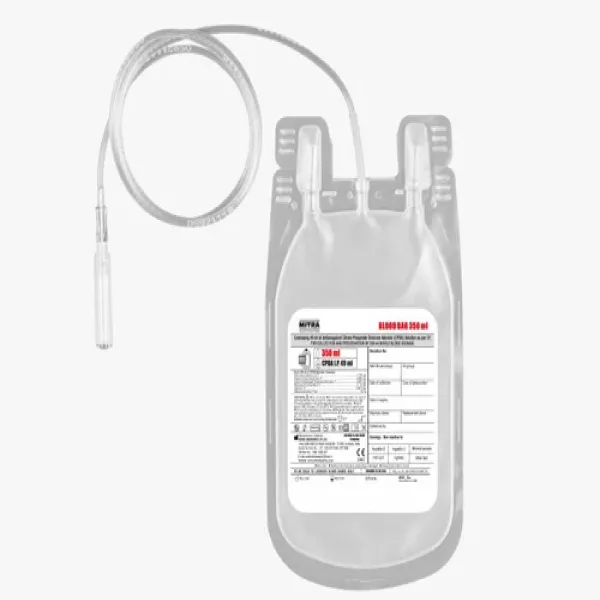
Blood Bags Manufacturers in Chennai
Blood Bags Manufacturers in Chennai are specialised medical bags for collection, storage, processing and transfusion of blood and blood components. Blood bags are an important part of blood-bank operations and are used for collection and component management according to established procedures.
We is a supplier of blood bags to healthcare institutions in Chennai and across India. Selection should be based on the intended blood-bank application, required configuration, anticoagulant or preservative system, component-processing requirements, compatibility with collection equipment, and applicable regulatory standards.
Blood Bags Suppliers in India
Blood Bags Suppliers in India provide blood-collection and blood-component storage products to hospitals, blood banks, diagnostic institutions, and healthcare organisations. Depending on their design, blood-bag systems may support whole-blood collection or the separation and storage of different blood components.
We supplies healthcare products across India and can support procurement enquiries for blood bags. Buyers should verify the exact bag configuration, capacity, anticoagulant system, tubing arrangement, collection requirements, sterility, shelf life, and manufacturer documentation before purchase.
Blood Bags Exporters in India
Blood Bags Exporters in India offer blood-collection and component-storage products to the international healthcare markets. Blood-storage products have particular healthcare and regulatory needs, and international procurement may require additional documentation and standards for the destination market.
We can assist hospitals, blood banks and distributors to enquire for blood bags from India. International procurement involves checking specifications, regulatory documentation, packaging, storage conditions and export requirements.
Types of Blood Bags
Blood bags come in various configurations depending on their intended use. Common categories are:
- Single Units of Blood
- Double blood bags
- Blood bag triple
- Blood bag systems multiply by four
- Blood component collection containers
- Bags for specific blood processing applications
Which configuration is correct will depend on the blood bank’s collection and component processing needs.
What Are Blood Bags Used For?
Blood bags are used for the controlled collection, storage, transportation, and processing of donated blood and blood components. Depending on the system, collected blood may subsequently be separated into components such as red blood cells, plasma, and platelets.
Blood bags are designed to work within established blood-bank procedures. They are not ordinary storage containers; their materials, sterility, anticoagulant or preservative systems, and configuration are important to safe blood-component management.
Healthcare professionals and blood-bank personnel should follow validated procedures, applicable regulations, and manufacturer instructions when using blood bags.
Which Blood Bags Are Suitable for Hospitals?
Hospitals and blood banks should choose blood bags based on their collection and component processing needs. Important considerations are:
- Single or double or triple or quadruple configuration
- Proper amount of collection
- System anticoagulant or preservative
- Suitability for processing and collection equipment
- Integrity and sterility of the packaging
- Setup for tubing and connections
- Storage needs
- Shelf life
- Requirements applicable under law
The selection should be carried out by properly trained blood bank personnel in accordance with institutional procedures.
Why Choose Unipro for Blood Bags?
We provides healthcare products and equipment for hospitals, blood banks, clinics, and other healthcare institutions. We can assist facilities in identifying products based on their collection and processing needs for blood-bag procurement.
Healthcare institutions can turn to We for:
- Healthcare product sourcing support
- Institutional purchasing support
- Support to health facilities across India
- Guidance for product-focused procurement
- The availability of medical and blood bank supplies
Please confirm specifications, configurations, regulatory documentation and availability before placing an order.
How to Choose Blood Bags for a New Hospital?
A new hospital establishing or expanding blood-bank services should first determine the types of blood collection and component processing it intends to perform. This helps establish whether single, double, triple, or quadruple systems are required.
Procurement teams should also consider collection volume, anticoagulant systems, tubing configurations, compatibility with existing equipment, storage requirements, shelf life, packaging and applicable regulatory standards.
Blood bags are used for handling blood and blood components. Procurement and use should be in accordance with hospital validated blood-bank procedures and applicable regulations.
| Category | Blood Bags |
|---|---|
| Location Support | Chennai & Nationwide |
| Availability | In Stock / Contact for Delivery |