Nasal Strips Manufacturers in Chennai
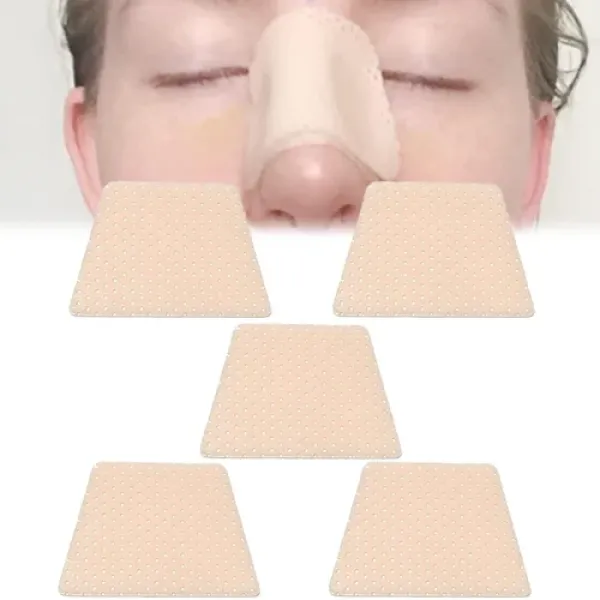
Nasal Strips are soft, sticky strips that are applied to the outside of the nose. They tend to be constructed with a flexible structure to help gently lift the sides of the nasal passages and thereby help reduce nasal resistance in some situations. They come in different sizes and designs for personal care and some health care applications.
Nasal Strips Manufacturers in Chennai provide products that meet different nasal-care needs to healthcare distributors, pharmacies, and medical institutions. We assists healthcare facilities and buyers to identify nasal strips appropriate for their intended application and procurement requirements.
Nasal Strips Suppliers in India
Nasal Strips Suppliers in India help pharmacies, clinics, hospitals, and distributors source external nasal strips for appropriate nasal-care applications. Selection should take into account strip size, adhesive material, flexibility, skin compatibility, and packaging.
We supplies healthcare products across India. Buyers can discuss their required product configurations, packaging preferences, and quantities with the supplier.
Nasal Strips Exporters in India
Nasal Strips Exporters in India provide nasal-care products to foreign buyers and healthcare distributors. Export procurement may include product labelling, packaging, documentation and compliance with the requirements of the destination market.
International customers should check the product’s intended use, dimensions, material, adhesive properties and relevant regulatory documentation before ordering.
Types of Nasal Strips
Nasal strips are available in different sizes and configurations. Common categories include:
- Standard nasal strips
- Extra-wide nasal strips
- Small or narrow nasal strips
- Flexible nasal strips
- Specialty nasal strips for selected applications
- Nasal strips with different adhesive configurations
The appropriate type depends on the user's nasal anatomy, skin sensitivity, and the manufacturer's product instructions.
What Are Nasal Strips Used For?
Nasal Strips are used to provide external mechanical support to the sides of the nose . For some people, their flexible structure can help to widen the nasal openings and reduce resistance to air flow.
They can be used for temporary relief of particular kinds of nasal obstruction or while sleeping and during physical activity. However, they do not address all causes of nasal congestion and are not a substitute for medical evaluation if breathing problems persist.
Which Nasal Strips Are Suitable for Hospitals?
Healthcare facilities should select Nasal Strips according to their intended application and patient requirements. Consider:
- Size: Choose an appropriate size for the nose.
- Adhesive: Review the adhesive's suitability for skin contact.
- Flexibility: Consider the degree of mechanical support provided.
- Skin compatibility: Check product information for sensitive-skin considerations.
- Ease of application: Select a design that can be applied and removed appropriately.
- Packaging: Review individual packaging and storage conditions.
- Intended use: Distinguish between general consumer nasal strips and products intended for clinical settings.
- Manufacturer instructions: Follow application and removal guidance.
Why Choose Unipro for Nasal Strips?
We supplies healthcare products to hospitals, clinics, pharmacies, nursing homes and other medical facilities. Buyers seeking Nasal Strips can share their requirements with We based on product dimensions, usage, packaging and procurement quantities.
We backs healthcare sourcing from Chennai & India. Product specifications, packaging and availability are subject to change without notice, please check exact product specifications, packaging and availability before placing an order.
How to Choose Nasal Strips for a New Hospital?
A new hospital should consider nasal strips according to its patient-care requirements and the products it intends to stock. Procurement teams can:
- Identify the intended nasal-care applications.
- Determine the sizes and configurations required.
- Review adhesive and material specifications.
- Consider skin compatibility and removal instructions.
- Check packaging and storage conditions.
- Estimate quantities based on expected usage.
- Verify product documentation.
- Ensure the products are used according to their intended purpose.
| Category | Nasal Strips |
|---|---|
| Location Support | Chennai & Nationwide |
| Availability | In Stock / Contact for Delivery |