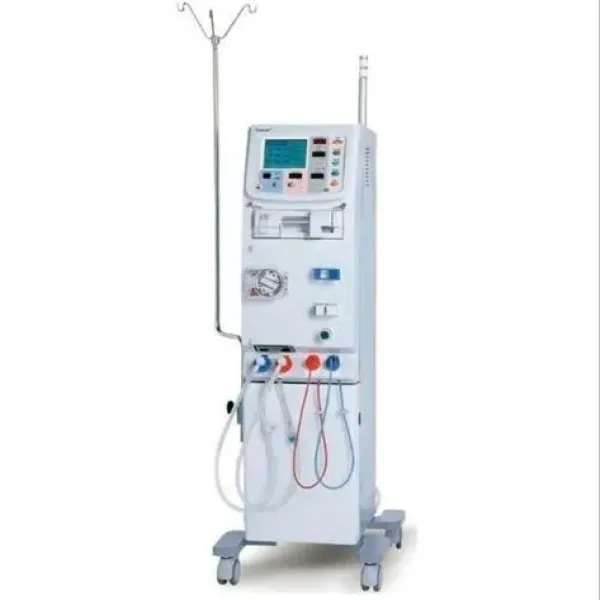
Dialysis Machine Manufacturers in Chennai
Sometimes, hospitals setting up or upgrading an intensive care unit may need several types of equipment instead of one product. Specific requirements will depend on whether the facility is developing a general ICU, a specialised critical-care unit or some other type of intensive-care setting.
Dialysis Machine Manufacturers in Chennai are essential medical equipment used in healthcare facilities to assist patients requiring dialysis treatment. We provides hospitals, clinics, nursing homes and specialised medical facilities with healthcare equipment. Healthcare providers should consider treatment requirements, machine configuration, water-treatment infrastructure, patient safety features, available space and maintenance requirements when choosing a dialysis machine.
Dialysis Machine Suppliers in India
Hospitals and dialysis centres looking for Dialysis Machine Suppliers in India need equipment that meets their clinical and operational requirements. The number of machines, treatment capacity, available infrastructure, and type of dialysis service all influence procurement decisions.
We supplies healthcare equipment in Chennai and across India, supporting healthcare facilities with equipment sourcing for different medical applications.
When purchasing a dialysis machine in India, healthcare facilities should consider:
- Type of dialysis treatment required
- Treatment settings and machine configuration
- Blood-flow and dialysate-flow specifications
- Patient safety and monitoring features
- Water-treatment system compatibility
- Electrical and plumbing requirements
Dialysis Machine Exporters in India
Dialysis machines used in hospitals, specialist dialysis centers and renal-care facilities should be adapted to their treatment and operational requirements. Dialysis Machine Exporters in India support institutional procurement by offering machines as per the technical specifications and requirements of the healthcare facilities in the domestic and international markets.
For export procurement the machine configuration, electrical requirements, water treatment compatibility, product documentation, packaging and the applicable regulations for the destination market must be reviewed. Depending on the project and the specification of the products available, Dialysis Machine Exporters in India can help healthcare facilities with sourcing equipment.
Types of Dialysis Machine
Dialysis machines come in different configurations depending on the method of treatment, clinical application and needs of healthcare facilities. Common types are:
- Haemodialysis machines: These machines flow blood through a dialysis system where waste products and excess fluid are removed through a dialyser.
- Conventional haemodialysis machines: Designed for routine haemodialysis procedures in suitably equipped dialysis centres and hospitals.
- High-flux haemodialysis machines: Used with compatible high-flux dialyzers and treatment protocols where clinically indicated:
The selection of a machine depends on the modality of treatment, patient requirements, available infrastructure and clinical protocols followed by the healthcare facility.
What Is a Dialysis Machine Used For?
The main purpose of a dialysis machine is to assist in the treatment of haemodialysis in patients with impaired kidney function who cannot adequately clear waste products and excess fluid from the blood. Dialysis machines are typically used in:
- Dialysis units in hospitals
- Dialysis centers, specialised
- Kidney care facilities
- Departments of nephrology
- Appropriate intensive care units
- Other dialysis facilities
Depending on the machine, its functions can include monitoring blood flow, controlling dialysate conditions, managing fluid removal and providing safety alarms. Treatment settings must be established and monitored by trained health care professionals.
Which Dialysis Machine Is Suitable for Hospitals?
The suitable dialysis machine for a hospital depends on its renal-care services, patient capacity, treatment protocols, and available infrastructure. A general hospital with a dialysis department may have different requirements from a specialised renal-care centre or a facility providing intensive-care dialysis.
Hospitals should evaluate the following factors before purchasing:
- Treatment modality: Determine whether conventional haemodialysis, high-flux dialysis, or other treatment modalities are required.
- Patient capacity: Estimate the number of patients and treatment sessions the facility intends to support.
- Monitoring features: Review available monitoring systems, alarms, and safety functions.
- Water-treatment compatibility: Ensure the facility has a suitable water-treatment system and compatible connections.
The machine should be selected according to the hospital's clinical protocols and the manufacturer's technical specifications.
Why Choose Unipro for Dialysis Machine?
We provides healthcare equipment to hospitals, clinics, nursing homes and specialised healthcare establishments. We can aid facilities in the procurement of dialysis equipment by helping them to source the right products based on their operational needs and project specs.
Healthcare facilities can contact We for:
- Healthcare projects – Procurement of dialysis equipment
- Equipment needs for hospitals and dialysis centres
- Enquiries for individual and bulk procurement
- Healthcare equipment sourcing all over India
- Product specification assistance
- Planning medical equipment for new facilities
- Assistance in equipment selection according to application
Check product availability, configurations, technical specifications and arrangements for service before placing an order.
How to Choose a Dialysis Machine for a New Hospital?
The choice of a dialysis machine for a new hospital demands detailed consideration of clinical need, patient capacity, infrastructure and operational planning. A practical checklist contains
- Figure out what treatments you need: What dialysis modalities and treatment protocols will be provided by the hospital?
- Estimate capacity to treat: Determine the number of dialysis stations based on the projected patient load and hours of operation.
- Check the machine specifications: Compare treatment functions, monitoring features, safety systems and configurations available.
- Design water-treatment facilities: Provide adequate water treatment/distribution systems for the proposed facility.
- Ensure that electrical requirements are met: Check the power supply and installation specifications for each machine.
A detailed equipment plan can help hospitals pair dialysis machines with water-treatment systems, treatment stations and other supporting infrastructure.
| Category | Dialysis Machine |
|---|---|
| Location Support | Chennai & Nationwide |
| Availability | In Stock / Contact for Delivery |