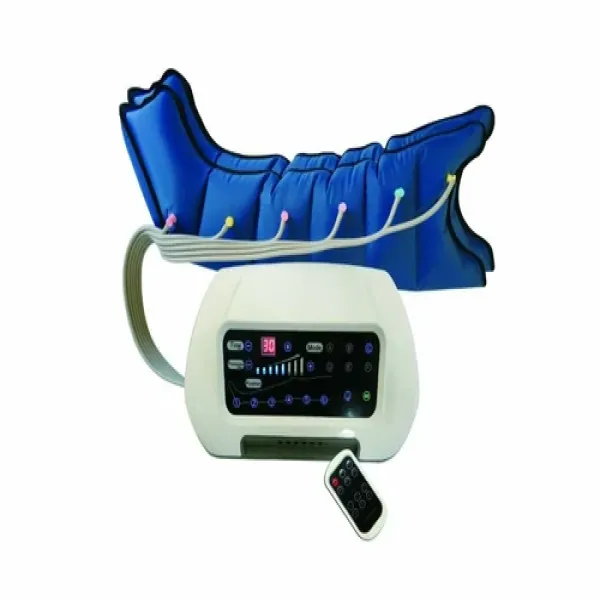
DVT Pumps Manufacturers in Chennai
DVT Pumps Manufacturers in Chennai provide intermittent pneumatic compression equipment designed to support venous circulation in the lower limbs. DVT pumps are often used in the prophylactic management of patients at risk of deep vein thrombosis, such as those with reduced mobility, surgery, hospitalisation or other clinical factors.
We provides DVT pumps to hospitals and healthcare facilities in Chennai and all over India. The choice of equipment should take into account the patient population for which it is intended, the compression configuration, the compatible garments available, ease of use, cleaning requirements and the recommendations of the healthcare professionals.
DVT Pumps Suppliers in India
DVT Pumps Suppliers in India provide pneumatic compression systems for hospitals, surgical centres, rehabilitation facilities, and other healthcare establishments. These systems generally work by delivering controlled intermittent compression through suitable cuffs or garments around the limbs.
We is a supplier for healthcare equipment throughout India and can help any institution looking for DVT pumps for their facilities. Buyers should check pump configuration, compatible sleeves or cuffs, operating requirements, maintenance instructions and service provisions before purchase.
DVT Pumps Exporters in India
DVT Pumps Exporters in India supply pneumatic compression equipment to healthcare markets outside the country. Export purchasing may require further requirements concerning product documentation, regulatory compliance, packaging, standards of the destination country and accessories.
We can assist institutions and distributors in India that have questions about healthcare equipment, DVT pumps. Exact model specifications and export documentation should be verified according to the destination market and intended application.
Types of DVT Pumps
DVT pumps may differ in their compression set-up, number of chambers, controls and garments that they are compatible with. Typical categories include:
- Single-chamber compression units
- Multi-chamber pneumatic compression devices
- Sequential compression devices
- Compression pumps for lower limb
- Systems for use with thigh length garments .
- Systems for compressing calves or feet
- Portable Pneumatic Compression Devices
Which one is right depends on the clinical needs of the patient and the application of the healthcare facility.
What Are DVT Pumps Used For?
DVT pumps are used to provide intermittent pneumatic compression to the limbs. The repeated compression and release cycle is intended to support venous blood flow in patients with limited mobility.
Hospitals may use these systems in perioperative care, post-surgical settings, intensive care, rehabilitation, and other situations where mechanical compression has been prescribed as part of a thrombosis-prevention strategy.
DVT pumps are not suitable for every patient. Conditions such as existing or suspected thrombosis, vascular disorders, or other contraindications may affect whether pneumatic compression is appropriate. Clinical staff should determine suitability before use.
Which DVT Pump Is Suitable for Hospitals?
Select a hospital DVT pump that is suitable for the clinical department and the types of patients who will receive compression therapy. Key selection factors include:
- Suitable compression mode
- Suitability for the required cuff or garment
- Easy controls
- Pressure control options that are suitable
- Alarm and safety features as appropriate
- Easy clean
- Availability of replacement accessory
- Support for service and maintenance
The chosen system should be used in accordance with the clinical protocols and the manufacturer’s instructions.
Why Choose Unipro for DVT Pumps?
We supplies medical equipment to hospitals, clinics, nursing homes and other medical facilities. We can assist healthcare facilities in determining equipment needs prior to selecting the right product configuration for DVT pump procurement.
Facilities can look to We for:
- Assistance in procuring healthcare equipment
- Procurement support - product focus
- Availability of compatible medical equipment
- Support to healthcare facilities in India
How to Choose a DVT Pump for a New Hospital?
When buying DVT pumps for a new hospital, the first step is to determine which departments will use the DVT pumps. Surgical wards, intensive care areas, orthopaedic departments and rehabilitation units may have different needs.
Procurement teams should take into account the expected number of users, the required garment sizes, the compression modes, the cleaning procedures, the staff training needs and the maintenance requirements and availability of replacement components.
The hospital should also develop clinical protocols for patient assessment and appropriate use. Equipment choice should supplement, not replace, clinical decision-making by professionals.
| Category | DVT Pumps |
|---|---|
| Location Support | Chennai & Nationwide |
| Availability | In Stock / Contact for Delivery |