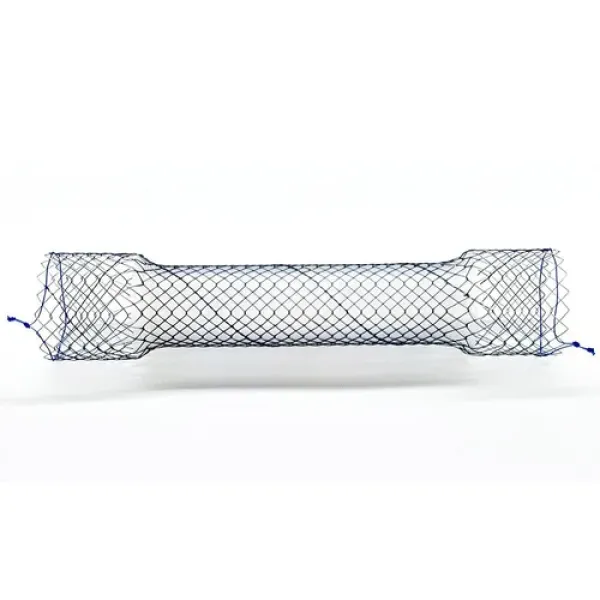
Esophageal Stent Manufacturers in Chennai
Esophageal stents are a special type of medical device used to keep the oesophageal passage open when there is narrowing or obstruction in the passage that interferes with the process of swallowing.
They are generally used in selected cases of oesophageal strictures and tumors and other conditions where passage of food and liquids is obstructed. Esophageal Stent Manufacturers in Chennai supply these devices to hospitals, departments of gastroenterology and other speciality medical centers.
These devices are manufactured with varying materials, designs and sizes to fit in varying requirements of clinicians. Selection of the stent is dependent on the location and cause of the obstruction and the overall anatomy of the patient as well as the approach of treatment.
Esophageal Stent Suppliers in India
Esophageal Stent Suppliers in India cater to the procurement needs of gastroenterology departments, oncology centres and hospitals performing endoscopic procedures. These devices are generally supplied in different sizes and configurations to support a range of clinical applications.
Healthcare Institutions should consider the expansion characteristics, delivery systems, and the type of accessories available with the stent. Product traceability, sterile packaging and pertinent documentation are a must for the regulatory compliance.
Esophageal Stent Exporters in India
Esophageal Stent Exporters in India serve international medical distributors, hospitals and specialised healthcare suppliers. These products require careful handling, suitable sterile packaging and documentation that complies with applicable medical device regulations.
International buyers should review product specifications, sterilisation information, shelf life, packaging integrity and destination-market requirements. Export arrangements may also depend on the stent design, intended use and the regulatory classification of the device.
Types of Esophageal Stents
Esophageal stents are available in several designs, each intended for particular clinical requirements.
- Covered Esophageal Stents: A covering is featured which is designed to reduce tissue growth through the stent mesh and help limit leakage in selected situations.
- Uncovered Esophageal Stents: Have an open mesh structure which allows tissue to grow through and help anchor in certain cases.
- Partially Covered Esophageal Stents: Achieve a compromise between resistance to tissue ingrowth and anchoring by combining covered and uncovered sections.
- Plastic Esophageal Stents: Manufactured from polymeric biocompatible materials.
The most appropriate stent design is influenced by the underlying condition and the location of the obstruction. It is also influenced by the clinician’s objectives in treating the condition.
What Is an Esophageal Stent Used For?
An esophageal stent is used to keep the oesophagus open when a narrowing or obstruction interferes with swallowing. It may be recommended for patients with malignant obstructions, selected benign strictures or certain oesophageal leaks and fistulas.
Most contemporary esophageal stents are placed using endoscopic techniques, sometimes with imaging guidance. Esophageal stents are used to treat patients with certain types of malignant and benign obstructions in the esophagus to help create and maintain a path for food and liquid to flow through. The stent is placed based on an assessment of the patient’s clinical condition.
Which Esophageal Stent Is Suitable for Hospitals?
The selection of esophageal stents is left to the discretion of the treating clinician based on the patient’s anatomy, diagnosis and treatment objectives. When considering product options, hospitals should be aware of the following characteristics of esophageal stents:
- Stent Material: Analyze the material and its appropriateness for the intended use.
- Diameter and Length: Select the correct size (gauge) for the intended location. Choose dimensions appropriate to the clinical needs.
- Coverage: Review fully covered, partially covered or uncovered designs for the intended purpose.
- Expansion Characteristics: Evaluate the stent’s expansion characteristics and the deployment mechanism.
- Delivery System: Review the system’s compatibility with the endoscopic equipment and the planned deployment mechanism.
- Sterility and Packaging: Determine the sterile status, and the shelf life and storage requirements.
The treating specialist should evaluate the appropriateness of the device based upon clinical guidelines and the manufacturer’s instructions.
Why Choose Unipro for Esophageal Stents?
We caters to the procurement needs of hospitals and other healthcare facilities. The company works with suppliers to offer products and services that meet the healthcare needs of a facility.
For more specialized medical devices such as esophageal stents, prospective buyers should verify the available models and product documentation to procure items in accordance with clinical practice guidelines.
How to Choose an Esophageal Stent for a New Hospital?
Hospitals establishing gastroenterology and endoscopy departments need to consider their planned procedures and the specialised devices required to support them.
- Identify Clinical Applications: Determine the types of oesophageal procedures the department expects to perform.
- Review Stent Designs: Understand the differences between covered, uncovered and partially covered stents.
- Check Available Dimensions: Review the available lengths and diameters in relation to the department's clinical requirements.
- Assess Delivery Systems: Ensure that the selected products are compatible with the endoscopic equipment used by the hospital.
- Verify Sterility: Check packaging integrity, sterilisation information and expiry dates.
- Confirm Regulatory Compliance: Ensure that the products meet applicable medical device requirements.
- Plan Inventory: Establish appropriate stock management procedures, taking into account shelf life and expected usage.
These steps help hospitals organise procurement while maintaining appropriate controls over specialised medical devices.
| Category | Esophageal Stent |
|---|---|
| Location Support | Chennai & Nationwide |
| Availability | In Stock / Contact for Delivery |